Can asphalt be laid over concrete? If you are dealing with old cracked concrete and wondering if asphalt is a good solution, you are not alone. One of the most common questions we hear is can asphalt be laid over concrete?
The short answer is yes, but only if it is done the right way.
In this guide, we will break it down in simple terms. You will learn when asphalt over concrete works, when it does not, and what steps are needed to make it last. This is based on real world paving experience and best practices used by professional asphalt contractors.
Yes, asphalt can be laid over concrete, but it is not as simple as paving right on top.
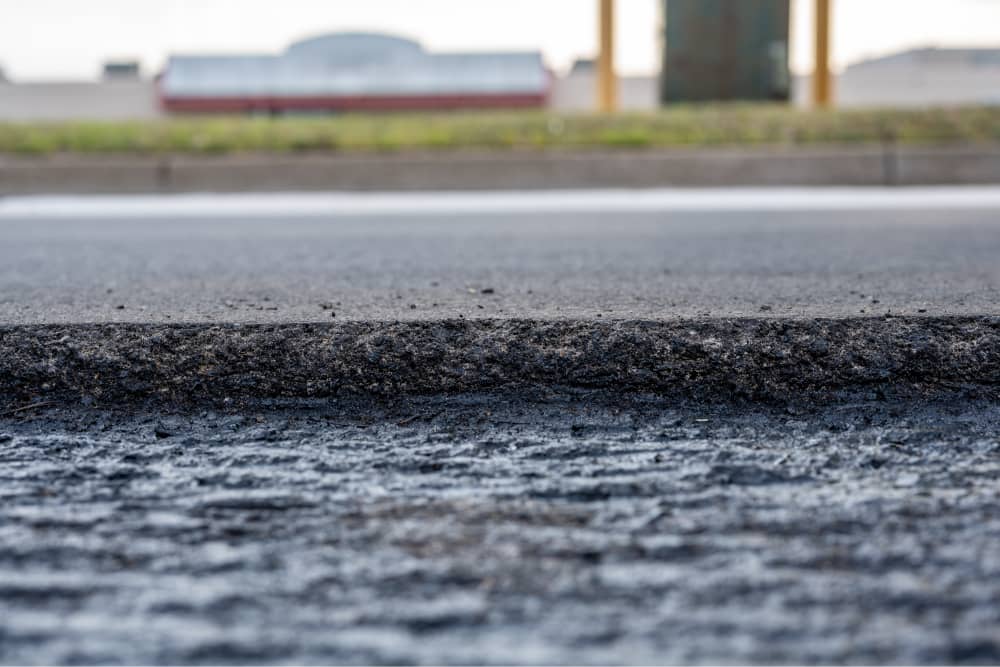
Concrete and asphalt behave very differently. Concrete expands and contracts in large slabs. Asphalt is flexible and moves with temperature changes. If you do not prepare the concrete properly, cracks and joints will transfer up into the new asphalt surface.
That is why surface prep and proper design matter so much.
Asphalt over concrete can work very well in the right conditions.
• The concrete is mostly intact
• There are no major structural failures
• Cracks are minor and not actively moving
• The concrete has good drainage
• The surface is level and stable
In these cases, asphalt can give you a smooth new driving surface without full concrete removal.
There are situations where paving over concrete will fail no matter what.
• The concrete is severely cracked or broken
• There is heaving or settling
• Large sections are loose or sinking
• Water pools on the surface
• Expansion joints are wide and active
In these cases, full removal and replacement is usually the better long term solution.
One of the biggest issues with asphalt over concrete is crack reflection.
Concrete cracks do not disappear just because asphalt is placed on top. Over time, those cracks and joints push upward and show through the asphalt surface.
This is called reflective cracking and it is the number one reason asphalt over concrete fails early.
If asphalt over concrete is going to last, these steps are critical.
A professional contractor should inspect the concrete for movement, drainage issues, and structural damage.
Cracks and expansion joints must be cleaned and treated. In many cases, fabric reinforcement or specialized crack sealing is used to slow crack reflection.
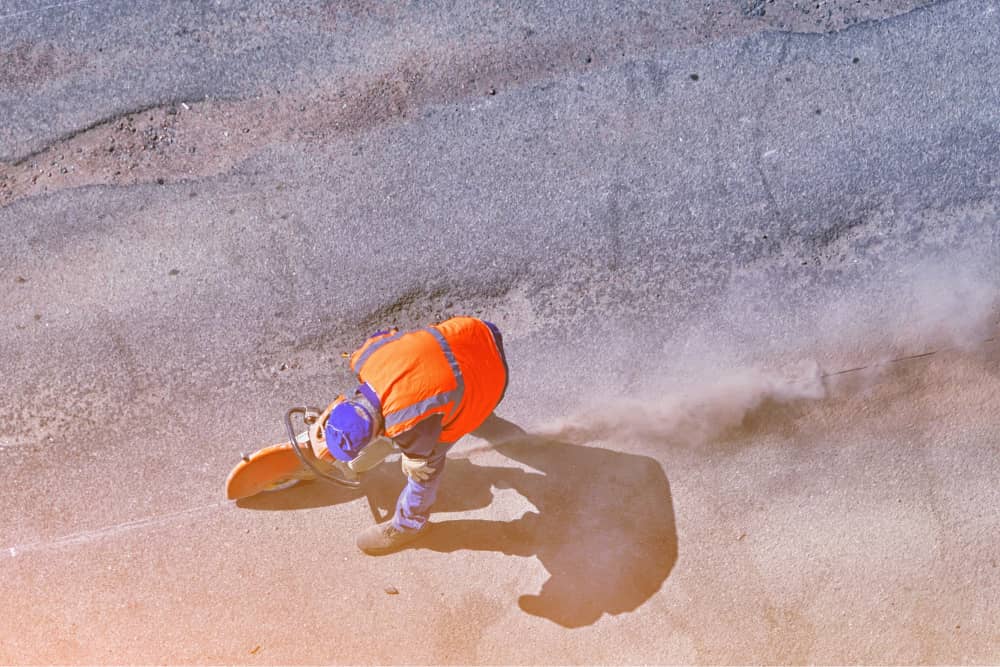
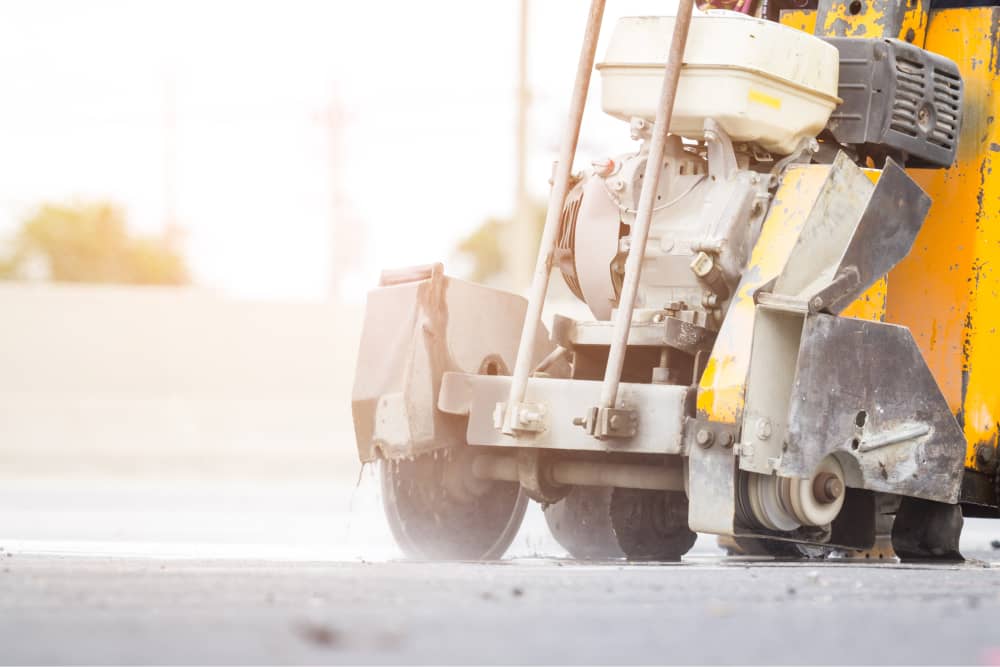
Uneven concrete may need milling or leveling so the asphalt thickness stays consistent.
A tack coat is applied to help the asphalt bond properly to the concrete surface.
Asphalt must be thick enough to handle traffic loads. Thin overlays fail quickly.
Thickness depends on how the surface will be used.
• Driveways usually need at least 2 to 3 inches
• Parking lots often need 3 to 4 inches
• Heavy traffic areas may need more
Thin asphalt overlays are cheaper up front but almost always cost more in repairs later.
Many homeowners choose asphalt over concrete for driveways because it looks clean and costs less than full removal.
As long as the concrete base is solid, this can be a smart option. It also allows for faster installation and less disruption.
Parking lots require extra care.
Vehicle weight, turning movement, and drainage all play a role. Commercial asphalt over concrete projects must be engineered properly to avoid premature cracking.
This is where working with an experienced paving contractor really matters.
• Lower cost than removal
• Faster installation
• Smooth new surface
• Can extend the life of old concrete
• Cracks can transfer
• Not suitable for badly damaged concrete
• Requires proper prep
• Shorter lifespan if done incorrectly
When done right, asphalt over concrete can last 10 to 15 years or more.
When done wrong, cracks can appear within months.
The difference comes down to inspection, preparation, and installation quality.
Yes, as long as the concrete is stable and properly prepared. Driveways are often good candidates for asphalt overlays.
Over time, yes. Proper crack treatment and fabric reinforcement can slow this process but not eliminate it completely.
Yes, asphalt is usually more affordable upfront and faster to install.
Yes, when a tack coat is used. This bonding layer is critical for long term performance.
Joints should always be addressed. Ignoring joints leads to fast crack reflection.
Calvac Paving is a full service asphalt and concrete contractor serving the Bay Area. We work on driveways, parking lots, HOAs, and commercial properties.
Yes. We evaluate each project to determine if asphalt over concrete is the right solution or if removal is the better option.
You can request a free quote by visiting our website or contacting our team directly.
Yes. We work with homeowners, property managers, HOAs, and commercial clients.
So can asphalt be laid over concrete?
Yes, but only when it is done correctly.
If the concrete is stable and properly prepared, asphalt can be a cost-effective way to refresh a surface and extend its life. If the concrete is failing, asphalt will not fix the problem.
The key is working with an experienced paving contractor who understands how concrete and asphalt interact.
If you are unsure whether asphalt over concrete is right for your project, Calvac Paving is happy to help you evaluate your options and avoid costly mistakes.
2645 Pacer Ln
San Jose, CA
95111
(408) 225-7700