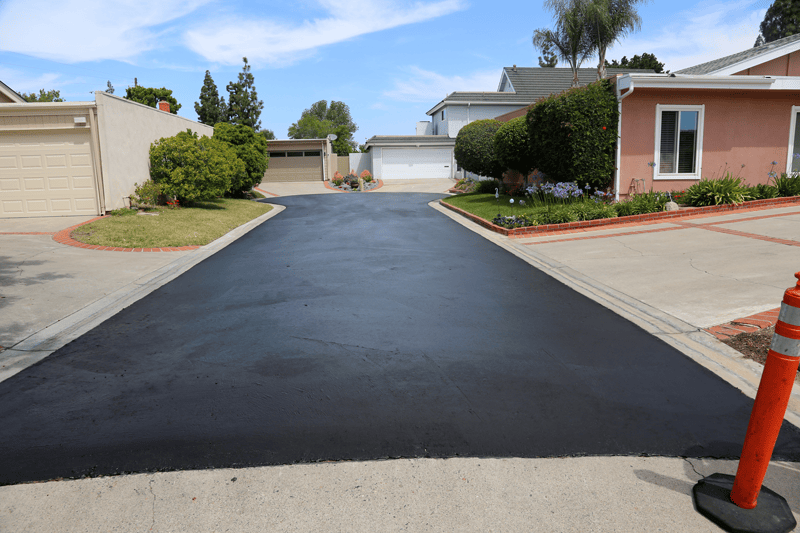

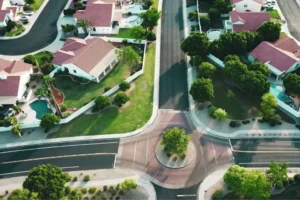
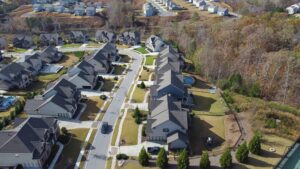
Homeowners Associations across the California Bay Area manage more than homes. They manage the roads residents drive every day. Parking areas, private streets, and community access roads all require regular care to stay safe and functional.
Without proper HOA road maintenance, small pavement issues can quickly become expensive repairs. Cracks grow, water gets underneath the asphalt, and before long the road surface begins to fail.
This guide explains how HOA boards and property managers in the Bay Area can maintain their roads properly, extend pavement life, and avoid costly reconstruction.
What Is Road Maintenance?
Road maintenance refers to the ongoing work required to keep roads safe, smooth, and structurally sound. It includes inspections, repairs, and preventative treatments that protect the pavement from wear, weather, and traffic.
For HOA communities in the Bay Area, this usually includes:
• Asphalt crack repair
• Sealcoating and slurry seal
• Pothole repairs
• Asphalt resurfacing
• Drainage adjustments
• Parking lot striping
• Full asphalt replacement when needed
The goal is simple. Protect the pavement before major damage happens.
When roads are maintained regularly, they last significantly longer and cost much less to manage over time.
Why HOA Road Maintenance Matters
HOA communities often rely on private roads, meaning the association is responsible for upkeep rather than the city.
For property managers, proper pavement maintenance helps:
Improve Safety
Cracked pavement, potholes, and uneven surfaces create hazards for residents, pedestrians, and vehicles.
Protect Property Values
Well maintained roads make a community look cared for and professional.
Reduce Long Term Costs
Preventative maintenance can extend asphalt life by 10 to 15 years.
Avoid Liability Issues
Unsafe pavement conditions can lead to accidents and insurance claims.
For HOAs in San Jose, Fremont, Palo Alto, Sunnyvale, and surrounding Bay Area cities, proactive road maintenance is an essential part of property management.
The 4 Types of Road Maintenance
Understanding the main categories of maintenance helps HOA managers plan budgets and maintenance schedules.
1. Preventive Maintenance
Preventive maintenance protects pavement before damage spreads.
Examples include:
• Sealcoating
• Slurry seal
• Crack sealing
• Striping refresh
These services are cost effective and can extend pavement life significantly.
2. Corrective Maintenance
Corrective maintenance fixes minor damage that has already appeared.
Examples include:
• Pothole repairs
• Surface patching
• Asphalt leveling
• Drainage adjustments
This type of maintenance prevents small issues from becoming major failures.
3. Routine Maintenance
Routine maintenance includes regular inspections and minor upkeep that keeps roads functioning properly.
Examples include:
• Sweeping
• Debris removal
• Drain clearing
• Line repainting
Routine attention helps HOA managers identify problems early.
4. Emergency Maintenance
Emergency maintenance addresses sudden or severe pavement failures.
Examples include:
• Sinkholes
• Severe potholes
• Flood damage
• Asphalt collapse
Emergency work restores safety quickly until permanent repairs can be completed.
How to Improve HOA Road Maintenance
Many HOAs wait until roads begin failing before taking action. This approach leads to higher costs.
Instead, communities should adopt a proactive maintenance strategy.
Create a Pavement Maintenance Plan
A long term maintenance plan helps HOA boards forecast costs and avoid surprise repairs.
Typical HOA pavement plans include:
• Annual inspections
• Crack sealing every 2 to 3 years
• Slurry seal every 5 to 7 years
• Asphalt resurfacing every 15 to 20 years
Conduct Regular Inspections
HOA property managers should inspect roads at least once per year and after heavy storms.
Look for:
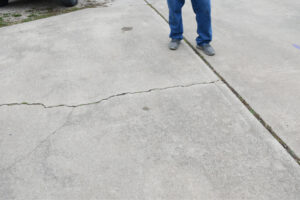
• Cracks forming in asphalt
• Standing water
• Fading striping
• Loose gravel
• Surface wear
Early detection keeps repair costs low.
Budget for Preventative Work
Preventative maintenance costs far less than reconstruction.
For example:
• Crack sealing costs a small fraction of asphalt replacement
• Slurry seal can extend pavement life by many years
• Ignoring cracks allows water to destroy the road base
Planning ahead protects HOA budgets.
How HOA Road Maintenance Is Done
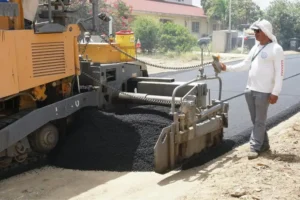
When HOA boards hire a professional paving contractor like Calvac Paving, the maintenance process usually follows several steps.
Step 1: Pavement Inspection
A full evaluation of the road surface identifies:
• Structural damage
• Drainage issues
• Surface wear
• Areas needing repair
Step 2: Repair Existing Damage
Before sealing or resurfacing, any damage must be repaired.
Typical repairs include:
• Crack sealing
• Asphalt patching
• Pothole repair
Step 3: Preventative Treatment
Once repairs are complete, preventative treatments protect the surface.
Common options include:
• Slurry seal
• Sealcoating
• Asphalt overlay
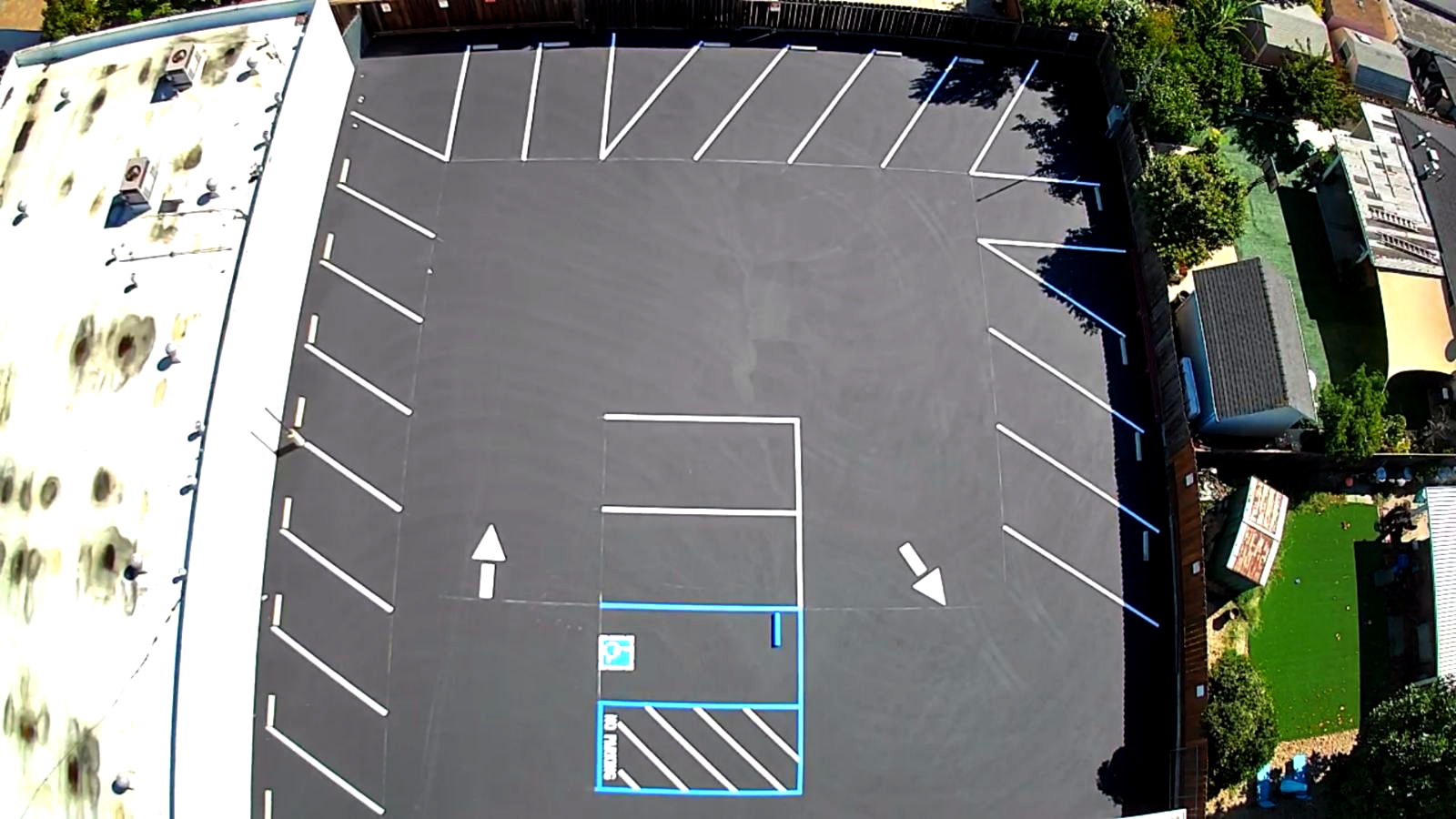
Step 4: Final Striping and Markings
After pavement work is complete, the road is re striped with fresh markings for:
• Parking stalls
• Fire lanes
• Directional arrows
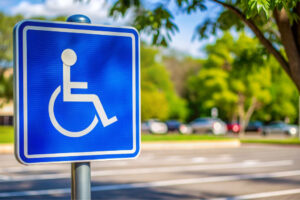
• ADA compliance markings
Common HOA Road Problems in the Bay Area
Bay Area pavement faces unique challenges.
Tree Root Damage
Large trees common in Bay Area communities often push asphalt upward, causing cracks and uneven pavement.
Drainage Issues
Poor drainage allows water to seep beneath asphalt, weakening the base and causing failure.
Sun and Traffic Wear
Daily traffic combined with sun exposure slowly dries asphalt, making it brittle and prone to cracking.
Aging Pavement
Many HOA communities built decades ago now require resurfacing or full asphalt replacement.
Why HOA Managers Work With Calvac Paving
Calvac Paving has decades of experience serving HOA communities throughout the California Bay Area.
HOA boards and property managers choose Calvac Paving because we:
• Understand HOA project coordination
• Provide clear maintenance planning
• Minimize disruption to residents
• Deliver durable asphalt solutions
• Offer preventative maintenance programs
From San Jose to Oakland to Fremont, Calvac Paving helps communities keep their roads safe and well maintained.
FAQs About HOA Road Maintenance
What is road maintenance?
Road maintenance is the ongoing work required to keep pavement safe, smooth, and structurally sound. It includes inspections, crack repair, sealcoating, resurfacing, and other preventative treatments that extend the life of the road.
What are the four types of road maintenance?
The four primary types of maintenance include:
• Preventive maintenance
• Corrective maintenance
• Routine maintenance
• Emergency maintenance
Each type plays an important role in protecting pavement and reducing long term repair costs.
How often should HOA roads be maintained?
Most HOA roads should receive preventative maintenance every 3 to 5 years depending on traffic and pavement condition. Regular inspections help determine the right schedule.
How can HOAs improve road maintenance?
HOAs can improve road maintenance by:
• Creating long term pavement plans
• Conducting annual inspections
• Repairing cracks early
• Scheduling preventative treatments like slurry seal
These steps extend pavement life and reduce repair costs.
Who is responsible for HOA road maintenance?
In communities with private roads, the homeowners association is responsible for maintenance and repairs. The HOA board or property manager typically hires a paving contractor to perform the work.
FAQs About Calvac Paving:
What services does Calvac Paving provide for HOAs?
Calvac Paving provides a full range of pavement services for HOA communities including:
• Asphalt repair
• Crack sealing
• Slurry seal
• Asphalt resurfacing
• Parking lot striping
• Pavement maintenance planning
Does Calvac Paving work throughout the Bay Area?
Yes. Calvac Paving serves HOA communities across the California Bay Area, including San Jose, Fremont, Palo Alto, Sunnyvale, Santa Clara, and surrounding cities.
How can HOA managers get a road inspection?
HOA property managers can contact Calvac Paving to schedule a pavement inspection and receive recommendations for maintaining their community roads.
How long does HOA road maintenance take?
The timeline depends on the size of the community and the type of work required. Many preventative maintenance projects can be completed in just a few days, minimizing disruption to residents.
Final Thoughts
HOA roads are a major asset for any community. With proper maintenance, asphalt surfaces can last decades while remaining safe and attractive.
For HOA managers across the Bay Area, the best strategy is simple:
Inspect early. Maintain regularly. Repair small problems before they grow.
If your community roads are showing signs of wear, Calvac Paving can help you create a maintenance plan that protects both your pavement and your HOA budget.
Want to talk to an expert, reach out to Calvac Paving today. We have over 50 years of experience serving HOAs in the Bay Area.

2645 Pacer Ln
San Jose, CA
95111
(408) 225-7700