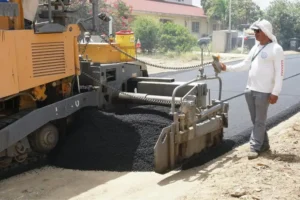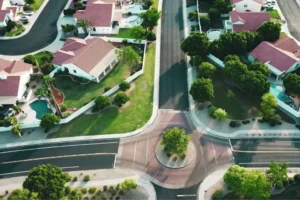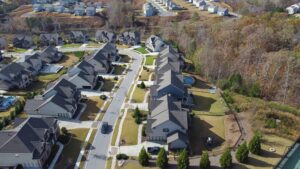
Managing roads inside a homeowners association is not always simple. Private streets, parking areas, and shared drive lanes take constant wear from vehicles, delivery trucks, and everyday traffic. Over time, that wear shows up as cracks, potholes, fading surfaces, and drainage issues.
For HOA managers in the California Bay Area, asphalt repair is one of the most important parts of maintaining a safe and attractive community.
The good news is that asphalt problems rarely appear overnight. Most pavement issues develop slowly, which means HOA managers who stay proactive can fix small problems before they become expensive reconstruction projects.
In this guide, Calvac Paving explains how HOA asphalt repair works, what warning signs to watch for, and how Bay Area HOAs can extend the life of their pavement.
Looking for an experienced asphalt contractor in San Jose? Calvac Paving has served the Bay Area since 1974.
HOA roads are different from city streets. Instead of being maintained by a local government, they are the responsibility of the homeowners association. That means HOA boards and property managers must plan and budget for pavement maintenance.
When asphalt roads are properly maintained, the benefits are clear.
Smooth pavement improves safety for drivers, pedestrians, and cyclists. It also improves the appearance of the entire neighborhood. Clean, well maintained roads signal that a community is cared for and organized.
This can also influence property values. Buyers notice things like cracked streets and potholes, and poorly maintained pavement can make a community feel neglected.
On the other hand, proactive asphalt repair helps HOA managers avoid major costs. Small repairs such as crack sealing or pothole repair are far less expensive than full road replacement.
The key is catching problems early.

HOA managers often ask how to tell when asphalt needs repair. The truth is that most pavement gives clear warning signs before serious damage occurs.
Here are the most common issues seen in Bay Area HOA neighborhoods.
Cracks are usually the first sign of asphalt deterioration. They form as pavement expands and contracts from temperature changes, traffic pressure, and aging.
While small cracks may not look serious, they allow water to enter the pavement structure. Once water reaches the base layer underneath the asphalt, the pavement can begin to weaken and break apart.
Crack sealing is one of the most important preventative maintenance services because it stops water from causing deeper damage.
Potholes form when water enters cracks and weakens the pavement base. When vehicles drive over the weakened area, the asphalt collapses and creates a hole.
Potholes are more than just inconvenient. They can damage vehicles and create safety hazards for residents and visitors.
Fast repair helps prevent the pothole from spreading.
Alligator cracking appears as a pattern of connected cracks that resemble reptile skin. This type of damage usually means the asphalt structure underneath has begun to fail.
When alligator cracking appears, repairs may require asphalt patching or resurfacing rather than simple crack sealing.
Standing water is one of the biggest threats to asphalt pavement. When water sits on the pavement surface, it slowly breaks down the asphalt and weakens the base layer underneath.
Proper drainage design is critical for long lasting HOA roads.

Not every pavement issue requires the same repair solution. The right approach depends on the condition and age of the asphalt.
Calvac Paving works with HOA managers across the California Bay Area to determine the best repair strategy for each community.
Crack sealing is one of the most cost effective ways to extend the life of asphalt pavement. The process involves cleaning and filling cracks with specialized sealant that prevents water infiltration.
HOAs that perform routine crack sealing often extend the life of their pavement by several years.
Potholes are repaired by removing damaged asphalt and replacing it with new material. In some cases infrared repair technology is used to heat the surrounding asphalt and blend the repair seamlessly with the pavement.
This creates a smoother and longer lasting fix.
Sealcoating applies a protective layer over asphalt pavement. This coating protects the surface from sunlight, rain, oil spills, and oxidation.
Sealcoating also restores the deep black color of asphalt, improving the overall appearance of HOA streets and parking areas.
Many communities apply sealcoating every two to three years as part of their maintenance plan.
Resurfacing involves placing a new layer of asphalt over existing pavement. This is often recommended when asphalt is aging but the underlying base remains stable.
Resurfacing restores the surface of the road and extends the pavement lifespan without requiring full reconstruction.
If pavement damage is widespread or the base layer has failed, full replacement may be required.
This process removes the existing asphalt and rebuilds the pavement structure from the base up.
Although replacement is the most extensive repair option, proper maintenance can delay this step for many years.
For HOA managers, one of the most valuable strategies is developing a long term pavement maintenance plan.
Instead of reacting to problems, a maintenance plan schedules preventative services at the right time.
A typical HOA pavement lifecycle looks something like this.
Years 1 to 3
Routine inspections and crack sealing.
Years 3 to 5
Sealcoating to protect the surface.
Years 6 to 10
Localized patching and repair work.
Years 12 to 15
Asphalt resurfacing.
Years 20 plus
Full pavement replacement if necessary.
Following this type of schedule helps HOA managers avoid emergency repairs and budget surprises.
Pavement projects affect the entire community, so good planning is important. Here are a few tips that can help HOA managers manage asphalt repair projects more smoothly.
Walking or driving through the property a few times per year helps identify cracks, drainage issues, and early signs of pavement failure.
Early detection allows repairs to be scheduled before problems spread.
HOA reserve studies often include pavement replacement timelines. By understanding the expected life of the asphalt, HOA boards can plan future repair costs.
Preventative maintenance helps stretch those reserve funds further.
Asphalt work often requires temporary road closures or parking restrictions.
Giving residents advance notice helps prevent confusion and ensures vehicles are moved before work begins.

Asphalt remains the most common material used for HOA roads and parking areas.
One reason is flexibility. Asphalt can handle heavy traffic and small ground movements without cracking as easily as some other materials.
Another advantage is repairability. Asphalt repairs can often be completed quickly, which minimizes disruption for residents.
For HOA communities, asphalt offers a good balance of durability, cost efficiency, and maintainability.
HOA communities across the California Bay Area face unique pavement challenges.
Seasonal rains, traffic from delivery vehicles, and aging infrastructure all contribute to asphalt wear.
That is why many HOA managers rely on experienced paving contractors who understand local conditions and can provide long term pavement solutions.
Calvac Paving has been serving communities across the Bay Area for over 50 years. The company works with HOA boards and property managers to maintain private roads, parking areas, and community infrastructure.
Services include:
HOA asphalt repair
Crack sealing
Pothole repair
Sealcoating
Asphalt resurfacing
Full pavement replacement
By combining preventative maintenance with professional repairs, Calvac Paving helps HOA communities extend the life of their pavement and protect their budgets.
Minor repairs such as crack sealing may be needed every year. Sealcoating is typically recommended every two to three years, while resurfacing may be required every 12 to 15 years depending on traffic and weather.
Common causes include water infiltration, heavy traffic, aging pavement, and poor drainage. Regular maintenance helps prevent these issues from turning into major pavement failure.
With proper maintenance, asphalt pavement can last 20 to 25 years before needing full replacement.
Preventative maintenance is the most effective way to control costs. Crack sealing, sealcoating, and regular inspections help extend pavement life and delay expensive reconstruction.

Yes. Calvac Paving regularly works with HOA managers, boards, and property management companies throughout the California Bay Area.
Calvac Paving provides asphalt repair, crack sealing, pothole repair, sealcoating, resurfacing, and full pavement replacement.
Calvac Paving has over 50 years of experience working with communities and businesses throughout the Northern California Bay Area.
Managing HOA roads requires experience, planning, and the right contractor. Addressing pavement issues early helps protect your community’s infrastructure, improve safety, and control long term repair costs.
If your HOA roads are showing signs of wear, now is the time to take action.
Calvac Paving has been helping HOA communities maintain and repair asphalt pavement in the California Bay Area for over 50 years. Their team understands the unique needs of HOA managers and works closely with communities to develop practical pavement maintenance plans.
2645 Pacer Ln
San Jose, CA
95111
(408) 225-7700