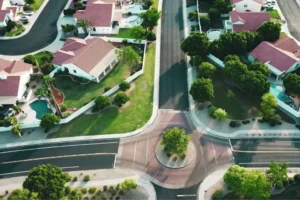
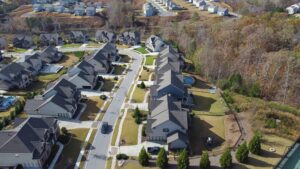
Homeowner associations across the California Bay Area manage some of the most valuable shared infrastructure in their communities. One of the biggest responsibilities is maintaining private roads, parking lots, and pavement systems.
An HOA reserve study for roads and pavement helps HOA boards and property managers plan for these costs before problems become expensive emergencies.
For many Bay Area communities, asphalt streets and parking areas are among the largest long term maintenance expenses. When roads are ignored too long, small cracks turn into potholes and eventually full reconstruction projects.
This guide explains how reserve studies work and how HOA managers can plan pavement maintenance the right way.
Looking for an experienced asphalt contractor in San Jose? Calvac Paving has served the Bay Area since 1974.
What Is an HOA Reserve Study
An HOA reserve study is a long term financial and physical planning report used by homeowner associations to prepare for major repairs and replacements of shared community assets.
These assets usually include
• Private roads
• Asphalt streets
• Parking lots
• Sidewalks
• Curbs and gutters
• Clubhouses and pools
• Roof systems
The reserve study evaluates the condition of each component and estimates how long it will last. It also calculates how much money the HOA should save each year to pay for future repairs.
For HOAs in the California Bay Area, pavement maintenance is often one of the biggest items in a reserve study because many communities have private road networks.
Why Roads and Pavement Are Critical in Reserve Studies
Many HOA boards underestimate the cost of maintaining asphalt roads. Pavement does not fail overnight. It deteriorates slowly through traffic, weather, and time.
A typical asphalt life cycle includes
Crack sealing and minor repairs
Sealcoating
Asphalt overlay
Full reconstruction
If maintenance happens on schedule, roads can last decades. If maintenance is delayed, the pavement can deteriorate quickly and require full replacement.
Reserve studies help HOA managers plan these stages in advance so they can avoid large surprise costs.
What Is Included in an HOA Reserve Study
A reserve study typically includes two major parts.
Physical Analysis
The physical analysis evaluates the condition of community assets. Inspectors look at components such as roads and parking areas and determine
• Current condition
• Remaining useful life
• Maintenance needs
• Estimated replacement timeline
For pavement systems, this might include evaluating
• cracking
• surface wear
• drainage issues
• pavement thickness
Financial Analysis
The financial portion calculates how much money the HOA should contribute to reserve funds each year.
This includes
• projected repair costs
• inflation adjustments
• funding schedules
• reserve contribution recommendations
This plan helps HOAs maintain infrastructure without placing sudden financial pressure on homeowners.
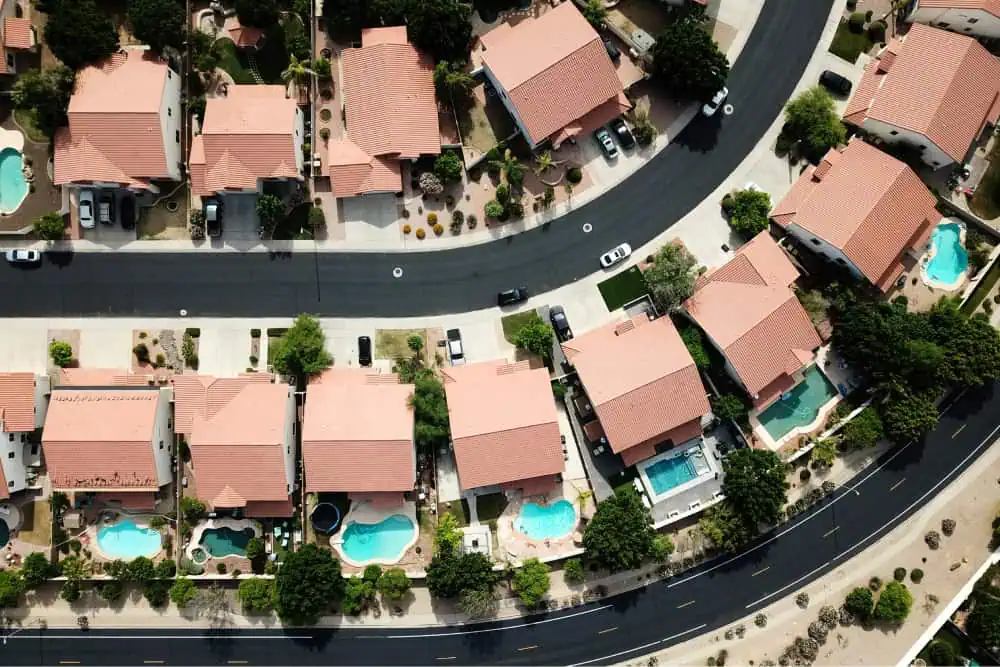
Is a Reserve Study Required for HOAs in California
Yes. California law requires HOAs to review reserve funding regularly.
Under California Civil Code requirements, HOAs must conduct a full reserve study every three years and perform annual financial reviews in between. These studies help boards evaluate major components and ensure reserve funds are adequate for future repairs.
For Bay Area HOA managers, this requirement makes reserve planning an important part of responsible property management.
What Is the Purpose of an HOA Reserve Study
The main goal of a reserve study is to protect the long term financial health of the community.
A well prepared reserve study helps HOAs
• plan major repairs years in advance
• avoid sudden special assessments
• maintain stable HOA dues
• preserve property values
When pavement projects are included in the reserve study, HOA boards can plan road resurfacing before damage becomes severe.
How Much Should an HOA Have in Reserves in California
Industry professionals often consider a community to be financially healthy when it is at least seventy percent funded.
This means the reserve account contains enough money to cover most future repairs identified in the reserve study.
Communities that are significantly underfunded may face problems such as
• emergency repairs
• homeowner special assessments
• deferred infrastructure maintenance
Road resurfacing projects are often one of the biggest costs that impact reserve funding levels.
New HOA Rules in California That Boards Should Know
California periodically updates HOA regulations that affect community governance and homeowner rights.
Recent laws have placed limits on certain HOA fines. In many cases, fines are now capped at one hundred dollars per violation unless specific conditions apply.
While this rule focuses on homeowner penalties rather than infrastructure, it highlights the importance of strong financial planning through reserve funds instead of relying on fines to support budgets.
Pavement Maintenance Planning for Bay Area HOAs
HOA managers should treat roads and parking areas as long term assets that require routine maintenance.
Common pavement services for HOAs include
Crack Repair
Sealing cracks prevents water from entering the pavement structure and causing deeper damage.
Sealcoating
Sealcoating protects asphalt from UV exposure, oxidation, and traffic wear.
Asphalt Overlay
An overlay adds a new asphalt surface layer to extend pavement life.
Full Reconstruction
If pavement has deteriorated beyond repair, reconstruction may be necessary.
Reserve studies help HOA boards schedule these projects before major structural damage occurs.
Why HOA Managers Work with Experienced Paving Contractors
Reserve study consultants often need accurate pavement cost estimates when preparing reports. Working with an experienced paving contractor can help ensure the reserve study reflects real world maintenance needs.
A professional paving contractor can
• inspect road conditions
• estimate repair timelines
• provide maintenance plans
• help prioritize pavement projects
This collaboration allows HOA managers to make smarter long term infrastructure decisions.

FAQs About HOA Reserve Study for Roads and Pavement
What is an HOA reserve study
An HOA reserve study is a report that analyzes the condition and future replacement cost of major shared assets in a community such as roads, parking lots, roofs, and pools.
Why are roads included in reserve studies
Private roads are expensive to maintain and replace. Including pavement in the reserve study allows HOAs to save money over time and plan resurfacing projects before the roads fail.
How often must California HOAs update reserve studies
California HOAs must conduct a full reserve study every three years and review the reserve funding plan annually.
What happens if an HOA does not have enough reserve funds
If reserves are too low, the HOA may need to issue special assessments to homeowners or delay critical repairs.
How long do HOA asphalt roads last
With proper maintenance, asphalt roads can last twenty to thirty years. Without maintenance, they may fail much sooner.
FAQs About Calvac Paving
Who is Calvac Paving
Calvac Paving is a professional paving contractor serving communities throughout the California Bay Area.
What services does Calvac Paving provide for HOAs
Calvac Paving provides services such as
• asphalt paving
• parking lot resurfacing
• sealcoating
• crack repair
• pavement maintenance
• road reconstruction
Does Calvac Paving work with HOA reserve studies
Yes. Calvac Paving frequently works with HOA boards and property managers to inspect pavement conditions and provide cost estimates for reserve studies.
How long has Calvac Paving served the Bay Area
Calvac Paving has been serving Bay Area communities for over 50 years, helping HOAs maintain safe and long lasting roads and parking areas.
Work with Bay Area HOA Paving Experts
If your HOA manages private roads or parking lots, planning ahead is essential. A strong reserve study combined with proactive pavement maintenance can save your community significant money over time.
Calvac Paving has worked with homeowner associations across the California Bay Area for more than five decades, helping communities maintain safe roads, extend pavement life, and plan long term maintenance.
If your HOA reserve study includes upcoming pavement work, contact Calvac Paving to schedule a pavement evaluation and maintenance plan. Their team understands the needs of Bay Area HOAs and can help your community protect its infrastructure for years to come.